Disposal rules for floral foam and Harrow recycling
Posted on 11/10/2026
Disposal rules for floral foam and Harrow recycling: a practical guide for florists, customers, and local businesses
If you've ever wrapped up a bouquet, cleared down an event, or stared at a soggy block of floral foam and wondered what on earth to do with it, you're not alone. Disposal rules for floral foam and Harrow recycling can feel a bit confusing at first, mainly because floral foam is one of those materials that looks simple but behaves like a mixed waste product in real life. It breaks apart, holds water, and often comes back from an arrangement with stems, tape, ribbon, and bits of foliage still attached.
This guide explains how floral foam is normally handled, what recycling in Harrow can and cannot do with it, and how to make better disposal decisions at home, in shops, and at event venues. You'll get a clear step-by-step approach, practical checks, common mistakes to avoid, and a few realistic examples from everyday florist work. No jargon for the sake of it. Just the stuff you actually need.

Why Disposal rules for floral foam and Harrow recycling Matters
Floral foam is widely used in bouquets, sympathy tributes, table displays, and wedding arrangements because it holds stems in place and keeps flowers hydrated. The trouble is that once it has been used, it's rarely just "foam". It is usually contaminated with water, plant matter, adhesives, and sometimes plastic holders or wrap. That combination matters because recycling systems are designed around clean, separable materials, not mixed florist waste.
For Harrow residents and businesses, this means the right disposal route can reduce contamination, save time, and avoid bin errors that create problems for collection crews and waste processors. To be fair, most people are not trying to do the wrong thing. They just want a quick answer after a busy event or a long delivery shift. But the answer is usually a little more nuanced than "put it in recycling".
There's also a practical business side. Florists, venues, caterers, and event planners need waste routines that are tidy, reliable, and not a headache for staff. If floral foam ends up in recycling by mistake, it can spoil a whole load. That's frustrating for everyone involved, and nobody needs that on a Monday morning.
In local terms, Harrow recycling works best when the waste stream is kept clean and predictable. So the real question is not just "can floral foam be recycled?", but "what is the safest and most sensible route for this exact item?" That's the habit that saves effort later.
How Disposal rules for floral foam and Harrow recycling Works
The key thing to understand is that floral foam is usually treated as general waste rather than recycling. The reason is straightforward: it is not a standard household recyclable material in most local systems, and once it has absorbed water and been used in an arrangement, it becomes even harder to process. In many cases it is a type of synthetic foam that does not fit normal kerbside recycling streams.
Here's the practical reality. Recycling services generally want items that are:
- clean
- dry
- made of a clearly sortable material
- free from food, soil, tape, or mixed attachments
Used floral foam usually misses at least three of those points. In a bouquet or funeral tribute, it may be soaked with water and broken into fragments. Those fragments can stick to other waste, lodge in sorting equipment, and create contamination. So even if the foam itself looks small, it can have an outsized impact.
In Harrow, as in most UK areas, local recycling rules tend to focus on common household recyclables such as paper, card, glass, metal cans, and certain plastic packaging. Floral foam is not typically part of that list. If you are unsure, a cautious approach is best: keep it out of recycling unless a specific local collection route has told you otherwise. That sounds plain, but plain is often safest.
There's another wrinkle. New or unused foam offcuts are still not automatically recyclable just because they are clean. Clean is good, yes, but material type matters just as much. A clean item that doesn't belong in the recycling stream can still cause a problem. Bit annoying, but that's how the system works.
For flower businesses, the practical flow usually looks like this:
- Remove any reusable decorative items first.
- Separate obvious non-foam materials where possible.
- Keep used floral foam out of standard recycling bins.
- Dispose of it according to local waste arrangements or commercial waste guidance.
If your arrangements include packaging or care cards, separate those items properly. For example, your paper inserts and cards may have different routes from the arrangement base itself. If you are handling bouquets alongside flower care guidance, it helps to think about the whole product lifecycle, not just the final display.
Key Benefits and Practical Advantages
Getting floral foam disposal right is not just about compliance or tidiness. There are some very real advantages, especially if you handle flowers regularly or manage an event space.
- Less recycling contamination: keeping foam out of the recycling bin helps protect the rest of the load.
- Cleaner waste handling: mixed arrangements are easier to sort when you separate materials early.
- Better staff routines: clear disposal habits save time in shops, venues, and homes.
- Lower risk of complaints: fewer mistakes means fewer collection issues and less mess.
- More sustainable decisions: you can make better choices about materials before the arrangement is even built.
That last one matters more than people sometimes realise. Disposal is the end of the story, but product choice is where the story starts. If you are ordering flowers for an event or condolence arrangement, it can help to ask whether the design uses foam at all or whether a different structure is possible. Sometimes there's a more sustainable alternative hiding in plain sight.
There is also a reputational benefit. Customers notice thoughtful waste handling. Not because they walk around looking at bins, obviously, but because a tidy, well-run florist or venue feels more professional. Small things. They add up.
And if you are a business in the South Harrow area, a strong waste routine fits neatly with broader customer expectations around reliability and responsibility. That aligns well with services such as sustainability commitments and the practical standards people increasingly expect from local florists.
Who This Is For and When It Makes Sense
This guidance is useful for a surprisingly wide range of people. You might think floral foam disposal is only a florist's problem, but in reality it shows up in homes, schools, churches, event venues, care settings, and offices too. If flowers appear in your space, floral foam may appear too. Simple as that.
This is especially relevant for:
- independent florists and flower shops
- event planners and wedding teams
- funeral directors and memorial organisers
- hospitality venues and reception teams
- office managers responsible for corporate gifting displays
- households dealing with tribute arrangements or table flowers
It also makes sense whenever you are dealing with used floral foam after:
- a wedding with multiple table centres
- a funeral tribute or coffin spray
- a corporate event with repeated floral installations
- a seasonal display that's now past its best
- an arrangement that has been soaked and broken down
One small but important detail: if the foam is attached to hard plastic trays, wires, or other fixtures, it becomes a mixed-material waste item. That means more care is needed, not less. Ripping everything apart in a hurry can make disposal harder, not easier. We've all been there, standing over a bin bag at the end of a long day thinking, "surely this should just go somewhere". Sadly, not quite.
Step-by-Step Guidance
If you want a practical route through disposal rules for floral foam and Harrow recycling, use this simple sequence. It keeps the process calm and reduces mistakes.
- Check the item type. Is it floral foam, a plastic holder, a biodegradable alternative, or a mix? Don't assume every green block is the same thing.
- Remove reusable parts. Take out ribbons, card picks, decorative stems, tags, and any elements that can be reused or disposed of separately.
- Separate obvious non-foam materials. Card sleeves, plastic wrap, tape, and elastic bands should not be bundled in with the foam if they can be separated safely.
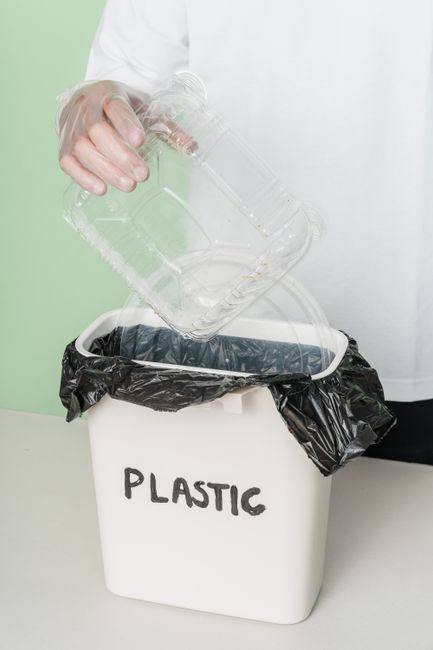
- Keep used floral foam out of recycling bins. Unless a very specific local route says otherwise, treat it as general waste.
- Bag loose fragments. Tiny pieces scatter easily. A light bag or lined caddy helps keep bits under control.
- Use the right waste stream. For businesses, this may mean general commercial waste; for households, the residual bin is usually the safer option.
- Check local arrangements if needed. If your waste provider offers guidance on mixed florist waste, follow that. Local instructions always beat guesswork.
Here's a realistic mini-example. Imagine a shop finishes a set of sympathy arrangements late on a Friday. The foam is soaked, slightly crumbling, and still stuck to stems and tape. The tidy move is not to chase recycling perfection piece by piece. It's to separate the obvious reusable items, bag the foam securely, and keep the recycling bin clear for materials that actually belong there. That's the useful habit.
And yes, if the foam is dry and unused, you still need to check its material and local acceptance. Clean doesn't automatically mean recyclable. A lot of waste confusion starts right there.
Expert Tips for Better Results
After years of seeing florist waste handled in different settings, a few patterns stand out. The best waste systems are not the fanciest. They're the ones that are easy to follow on a busy day.
1. Sort at the point of breakdown
Don't leave everything piled together until the end of the day if you can help it. The longer mixed materials sit around, the more likely they are to get shoved into the wrong bin. A small sorting tray or a simple worktop routine can make a big difference.
2. Keep a separate bag for florist waste
For shops and event teams, one bag for used foam and mixed floral waste can prevent accidental recycling contamination. It sounds almost too basic, but basic often works best. A dedicated bag also helps staff who are new or in a rush.
3. Train people on what not to recycle
Most mistakes happen because someone is trying to be helpful. A short, clear reminder near the bins is often enough. If the team can spot foam quickly, the whole process gets easier.
4. Think about the design before the event
If you are arranging flowers for a wedding or large installation, ask whether the display really needs floral foam. In some cases, alternative mechanics can reduce waste later. Not every arrangement needs the same build method.
5. Don't over-handle crumbling foam
Once foam starts breaking down, it becomes messy fast. Pressing it down into a recycling bin is a bad idea. Honestly, it can turn into confetti in seconds, and nobody wants green dust all over the floor.
If your work includes regular deliveries or event refreshes, it can also help to use broader operational guidance such as delivery and handling information to keep waste movement sensible from van to venue to bin. The less the arrangement is manhandled, the cleaner the end-of-life process tends to be.
Common Mistakes to Avoid
Most floral foam disposal problems come from a handful of repeat mistakes. They're easy to make, especially when you're busy, but also easy to avoid once you know what to watch for.
- Putting used foam in recycling: this is the big one, and usually the most costly in terms of contamination.
- Assuming "foam" means recyclable: not all foam materials are treated the same way.
- Leaving stems and tape attached: mixed waste is harder to process and harder to sort.
- Crushing foam into tiny bits: loose fragments are messy and harder to collect cleanly.
- Mixing packaging and foam together: this muddies the waste stream and can complicate disposal.
- Ignoring local guidance: waste rules can vary by collection setup and provider, so don't rely on guesswork.
Another subtle mistake is not having a clear bin label. If the bin says "recycling" but half the team uses it for everything that looks vaguely plastic or green, you'll get spillover. The bin label matters more than people think. Boring, but true.
For business owners, a small ongoing check is worthwhile. Just glance at what's going in the bins for a few days. If you keep finding floristry offcuts in the wrong place, the process needs tightening. No drama. Just adjustment.
Tools, Resources and Recommendations
You don't need a complicated setup to deal with floral foam properly. A few practical tools can make things much easier, especially in a shop, venue, or home office where flower waste appears on a regular basis.
| Tool or item | Why it helps | Best use case |
|---|---|---|
| Small lined waste bin | Keeps loose foam fragments contained | Worktops and prep areas |
| Clear bin labels | Reduces disposal mistakes | Staff rooms, florist benches, venues |
| Heavy-duty bags | Helps manage damp, crumbly waste | Used foam and mixed floral waste |
| Sorting tray | Lets you separate reusable items first | Event breakdowns, shop counter clean-down |
| Simple staff checklist | Keeps disposal steps consistent | Busy floristry teams and venues |
For customers in Harrow who regularly order flowers for birthdays, condolences, weddings, or thank-you gifts, it also helps to choose arrangements thoughtfully. If you're planning ahead, a florist with clear product information is often easier to work with. You may find helpful options in the broader range of local florist services in South Harrow, especially when you want something that fits both the occasion and your practical preferences.
Useful internal pages can also help you understand how flowers are presented and cared for once delivered. For example, about us gives context on the business, while guarantees and returns and refunds can be helpful when you're weighing service quality alongside sustainability concerns.
And if you're placing a larger order, you may want to browse best flower delivery in South Harrow or the wider flower delivery South Harrow options. It's not just about speed; it's about getting arrangements that are easier to manage responsibly at the end of their life.
Law, Compliance, Standards, or Best Practice
Waste handling in the UK is guided by general legal duties around correct segregation, duty of care, and avoiding contamination. The exact setup can vary depending on whether you are a household, business, venue, or event operator. Because of that, it's sensible to treat floral foam as a waste material that needs careful handling rather than assuming it belongs in a specific recycling stream.
For most readers, the safest best-practice approach is:
- separate reusable items from waste
- keep used floral foam out of recycling unless locally confirmed otherwise
- follow your waste contractor's instructions for commercial collections
- avoid contaminating clean recycling with mixed floristry waste
If you are operating as a business, you should also be mindful of any waste transfer or collection requirements that apply to your setup. That is especially relevant for florists, corporate offices, and wedding venues that produce regular waste rather than occasional household waste. Keep records if your arrangements require them, and make sure staff know the difference between recycling, general waste, and any specialist waste stream you use.
One important note: this article is practical guidance, not legal advice. If you are dealing with a regulated site, unusual waste volumes, or a contractual collection arrangement, check your own waste provider's terms and the relevant local guidance. That may sound cautious, but cautious is exactly right here.
For businesses that want to stay aligned with broader responsible practices, it can also help to review pages like terms and conditions and privacy policy alongside your internal waste procedures. Different topic, yes, but part of the same professional standard.
Options, Methods, or Comparison Table
When you are deciding what to do with floral foam, it helps to compare the realistic options side by side. In most cases, the choice is fairly clear once you see it laid out.
| Method | Usually suitable? | Pros | Cons |
|---|---|---|---|
| Kerbside recycling | No, in most cases | Convenient if accepted | High risk of contamination; usually not accepted for used floral foam |
| General waste | Yes, commonly | Simple and predictable | Not a recycling route; should still be bagged and handled carefully |
| Commercial waste stream | Yes, for businesses | Fits shop and venue operations | Depends on contract and waste provider setup |
| Reuse or redesign | Sometimes | Reduces waste and can save materials | Only works if foam is still structurally sound and hygienic enough |
In real terms, reuse is only sensible when the material is still in decent condition and the application allows it. A foam block that has been cut, soaked, and packed with stems is usually past the point of reuse. But a leftover piece from a display mock-up, for example, may be worth keeping if it remains clean and stable. That judgment call matters.
Case Study or Real-World Example
A small florist handling wedding work in Harrow faces this exact issue every week in spring and summer. One Saturday morning, the team prepares table arrangements for a local reception and uses floral foam in a dozen centrepieces. By the end of the evening, the foam is damp, cut down, and threaded with stems. There's also ribbon, cellophane, and a few broken picks in the mix.
The first time they dealt with this, everything went into one bag. Harmless enough, you might think. But that bag then got tipped into recycling by mistake because the foam looked "a bit like packaging". The result was a mess and a reminder to tighten the process.
The team changed the routine. Now they:
- strip out decorative extras at the workbench
- separate reusable wrap and card before disposal
- bag used floral foam on its own
- place the bag in general waste, not recycling
- brief temporary staff on the process before busy weekends
The practical difference was immediate. Bins were cleaner, mistakes dropped, and end-of-event pack-down became calmer. Not glamorous, but very real. Sometimes that's what good waste practice looks like: fewer surprises and less mop-up.
For customers who order a lot of flowers, especially around events, it can also help to choose arrangements from pages such as all flowers or best sellers when you want a broad overview of common presentation styles. If you know the arrangement style in advance, you can often anticipate the kind of post-use cleanup involved too.
Practical Checklist
Use this checklist before you throw anything away. It's short on purpose.
- Have I identified whether the material is floral foam or another type of packaging foam?
- Have I removed any reusable decorations, cards, or stems?
- Are there plastic, wire, or tape parts that should be separated?
- Is the foam used, soaked, or contaminated with mixed waste?
- Have I kept it out of the recycling bin unless a local instruction clearly says otherwise?
- Have I bagged loose fragments so they don't spread around the bin area?
- Do staff or household members know the right bin to use?
- Do I need to check a commercial waste arrangement or provider instruction?
If you can tick all of those off, you're in a much better place. A small routine beats a rushed guess every time.
Get a free quote today and see how much you can save.
Conclusion
Disposal rules for floral foam and Harrow recycling are really about one simple habit: keep mixed florist waste out of recycling unless you know it belongs there. Floral foam looks ordinary, but once it has been used, it is usually a general waste item rather than a recyclable one. That matters for households, shops, venues, and anyone trying to keep waste clean and manageable.
The good news is that the process does not have to be complicated. Separate reusable items, keep used foam out of recycling, bag fragments securely, and follow local or commercial waste guidance. Do that consistently and the whole thing becomes much less stressful. A bit dull, maybe. But effective. And in waste management, effective is usually the win.
If you want the quiet kind of confidence that comes from doing things properly, this is one of those small operational details worth getting right. It keeps your space tidier, your recycling cleaner, and your day a little easier. That counts for a lot.
Frequently Asked Questions
Can floral foam go in recycling in Harrow?
In most cases, no. Used floral foam is usually treated as general waste rather than recycling because it is contaminated, mixed with other materials, and not part of standard kerbside recycling streams.
Is unused floral foam recyclable if it is clean?
Not automatically. Even clean foam may not be accepted in recycling if the material type does not match local recycling rules. Always check before assuming it belongs in the recycling bin.
What is the safest way to dispose of used floral foam?
The safest approach is usually to keep it out of recycling, remove any reusable decorations or attachments, bag loose fragments, and place it in general waste or your approved commercial waste stream.
Do I need to remove stems and tape before disposal?
Yes, where practical. Separating obvious non-foam materials makes disposal cleaner and reduces contamination risks. It also helps you keep any recyclable packaging out of the wrong bin.
Can florists reuse floral foam?
Sometimes, but only if the foam is still structurally sound and hygienic enough for the next use. Once it has been cut, soaked, and filled with stems, reuse is often impractical.
What should I do with floral foam from a funeral tribute or wedding arrangement?
Treat it the same way as other used floral foam: separate the reusable parts, keep the foam out of recycling unless told otherwise, and use the appropriate waste stream. Mixed tribute materials often need a bit more sorting, not less.
Why is floral foam a problem for recycling systems?
Because it is usually a mixed, contaminated material that does not fit clean recycling streams. It can also break into small fragments and create contamination in loads that should otherwise be recyclable.
Do Harrow recycling rules accept all plastics from flower packaging?
No, not necessarily. Some flower packaging may be recyclable, but not all of it. It depends on the exact material and local collection rules. Keep packaging separate and check what belongs in recycling.
Are biodegradable floral foam alternatives handled the same way?
Not always. Some alternatives are designed to break down differently, but they still need to be assessed on the basis of local waste rules and the material's exact composition. Do not assume every alternative goes into the same bin.
What if I am a business with large volumes of flower waste?
Then it makes sense to create a clear waste routine, train staff, and confirm your commercial waste arrangement. If you handle flowers regularly, a bit of structure goes a long way and prevents repeated mistakes.
How can I avoid contaminating my recycling bin with floral waste?
Sort flowers and packaging at the point of breakdown, use clear labels, and keep a separate container for used foam and mixed floral waste. A little discipline at the start saves a lot of mess later.
Should I check my waste contractor's guidance?
Yes, especially if you run a business or venue. Local collection rules and contractor instructions can differ, and they always matter more than a general assumption about what "looks recyclable".
Is there a more sustainable way to design arrangements?
Often, yes. Some arrangements can be built with less foam or with alternative mechanics. If sustainability matters to you, ask the florist or supplier what options are available before the event rather than after it.
What is the quickest rule of thumb?
If it is used floral foam, mixed with stems or tape, and not specifically accepted by a local recycling route, keep it out of recycling and dispose of it as general waste. That simple rule avoids most problems.